What is day trading?
Day trading is buying and selling the same financial instrument within a single trading session, aiming to profit from short-term price movements rather than long-term value. It is practised in equities, forex, futures, options and crypto — almost always through online brokers, and very often with leverage.
How it works in practice
A day trader opens and closes positions within hours or minutes, ending the day flat to avoid overnight risk. Income comes from many small price movements rather than from a company's earnings or an asset's long-run growth. Every position pays a spread and often a commission, so a trader must be right often enough — and by enough — to clear that cost before making a profit.
Day trading vs investing
- Time horizon: minutes and hours, versus years and decades.
- Source of return: price movement between participants, versus underlying business earnings and economic growth.
- Cost profile: a cost on every trade, versus a one-off cost and a low ongoing fee.
- Tax treatment: short-term rates, versus long-term capital-gains rates in most jurisdictions.
- Expected value: negative for the average retail participant, versus historically positive for diversified long-term holders.
The instruments involved
Equities are traded directly on exchanges. Forex and CFDs are leveraged derivative contracts, capped at limited leverage in the EU and UK and banned for US retail investors. Futures and options add expiry and, for options, time decay. Crypto trades around the clock with the highest volatility and the least regulatory protection.
What usually happens
Multi-year studies of real brokerage accounts find that roughly 97-99% of retail day traders lose money net of costs. That is the single most important fact about the activity, and it is stable across countries, decades and asset classes. See the full statistics for the sources.
What the long-run studies actually found
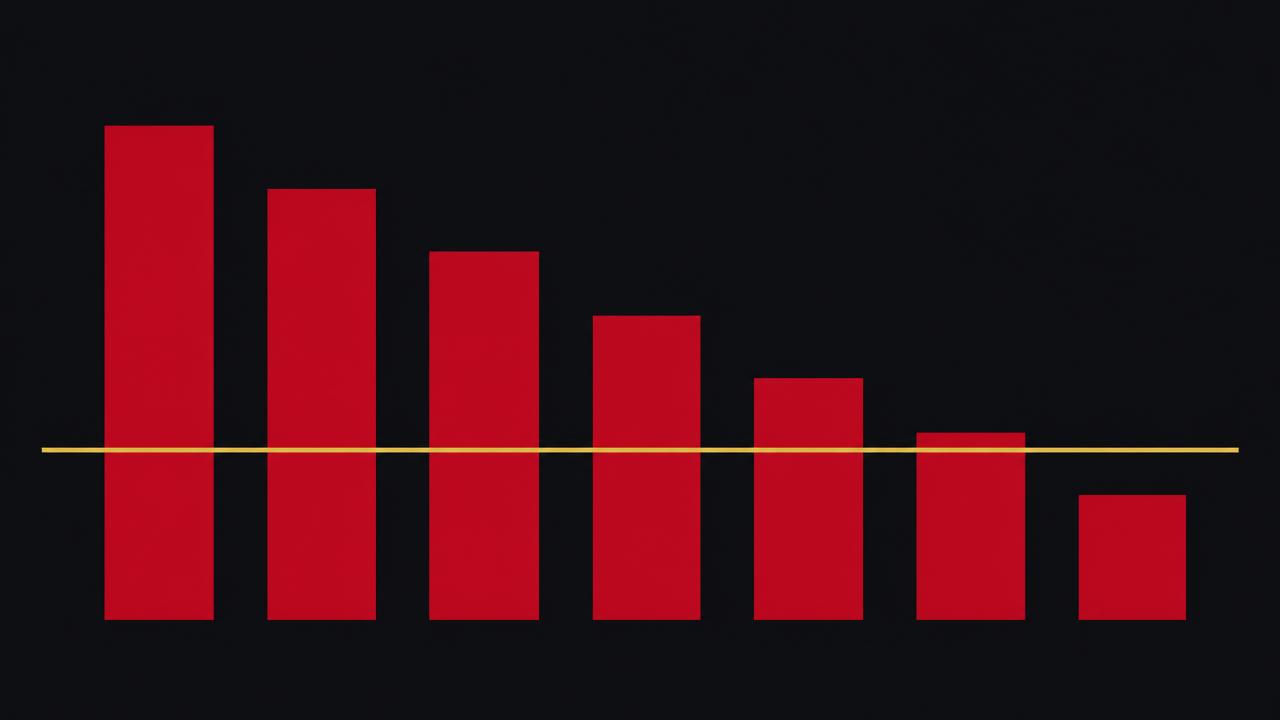
Five independent datasets, four countries and three decades point the same way: the share of retail day traders who make money after costs is small, and the share who make a living from it is smaller still. These are audited account records, not surveys or self-reported returns.
| Study or source | Sample | Headline finding |
|---|---|---|
| Barber, Lee, Liu & Odean | Taiwan, 1992-2006 | Under 1% of day traders earned reliably positive net profits; the top 500 covered their costs, everyone else funded them. |
| Chague, De-Losso & Giovannetti | Brazil, 2013-2015 (1,600 traders) | 3% were profitable and only 0.4% earned more than a bank teller. None who persisted improved with experience. |
| Barber & Odean, Trading Is Hazardous to Your Wealth | USA, 66,465 households | The most active fifth of accounts underperformed the market by about 6.5 percentage points a year. |
| ESMA and national regulators | EU/UK retail CFD accounts | 74-89% of retail CFD accounts lose money — a figure brokers are legally required to publish. |
| Jordan & Diltz | USA, 324 day traders | About 20% finished profitable over the period; losses were concentrated among the least experienced. |
Where the money actually goes
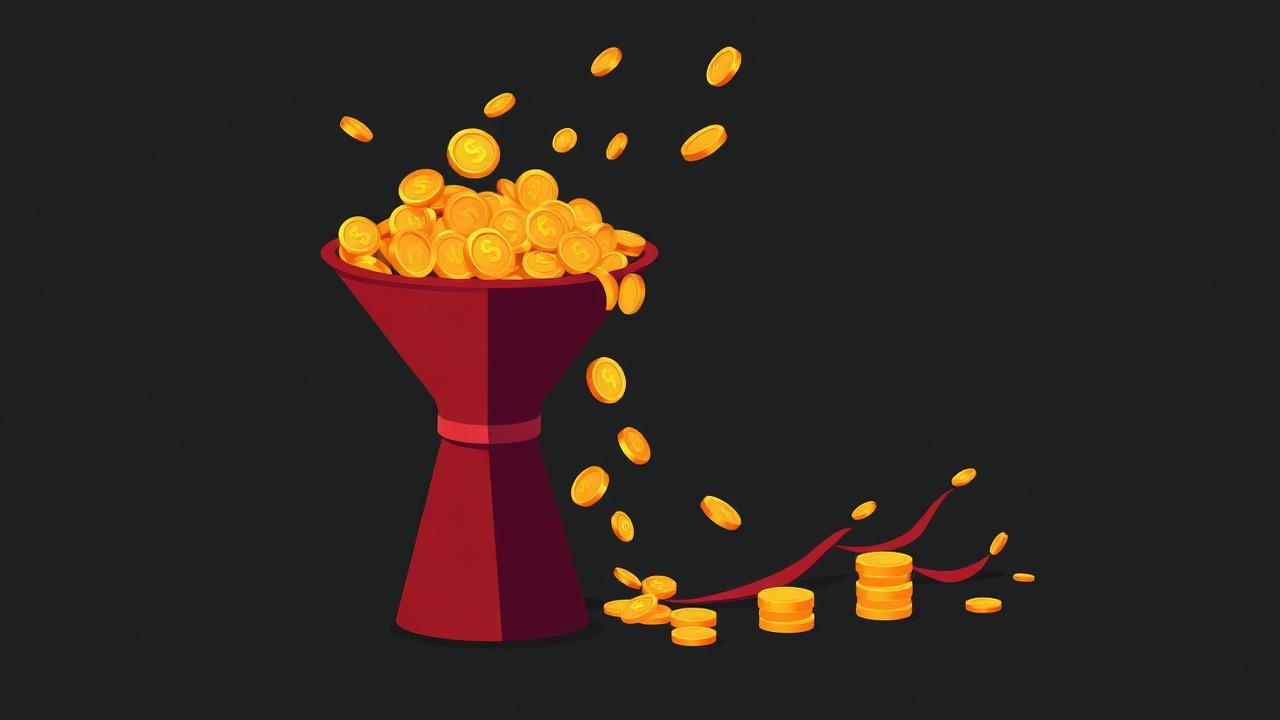
Before a trader beats the market, they must beat their own cost base. Every round trip pays a spread, usually a commission, and some slippage. At a realistic $8 per round trip, cost drag alone can exceed the entire account within a year.
| Trader profile | Round trips per year | Annual cost | Share of a $25,000 account |
|---|---|---|---|
| Casual — 5 trades a week | 260 | $2,080 | 8% |
| Active — 5 trades a day | 1,250 | $10,000 | 40% |
| Very active — 20 trades a day | 5,000 | $40,000 | 160% |
| Scalper — 50 trades a day | 12,500 | $100,000 | 400% |
Key terms, defined
- Day trading
- Opening and closing a position in the same instrument within one trading session, aiming to profit from short-term price movement.
- Spread
- The gap between the buy and sell price. It is an immediate, guaranteed loss at the moment a position opens.
- Leverage
- Borrowed exposure that multiplies both gains and losses. It shortens the time to ruin far more than it raises expected return.
- Slippage
- The difference between the expected fill price and the actual one, largest exactly when volatility makes trading look most attractive.
- Drawdown
- The fall from an account's peak to its trough. A 50% drawdown requires a 100% gain to recover.
- Expected value
- The average outcome of a strategy repeated many times. For retail day trading, it is negative after costs.
Frequently asked questions
What counts as a day trade?
Opening and closing a position in the same instrument during the same trading session. In the US, an account making four or more such trades in five business days is flagged as a pattern day trader and must maintain $25,000 in equity.
How much money do you need to start day trading?
US pattern day traders need $25,000 in account equity. Elsewhere brokers accept far less, which is part of the problem: small accounts use high leverage and are wiped out fastest.
Is day trading the same as swing trading?
No. Swing traders hold positions for days or weeks. They trade less often, so they pay less cost drag, but the outcome data for active retail traders is still poor.
Is day trading gambling?
For most retail participants the expected value is negative after costs, which is the defining property of gambling. The difference is that the losses are less visible and take longer to arrive.
Can day trading be learned with enough practice?
The Brazilian futures study followed traders day by day and found no improvement with experience: persistence increased losses rather than skill. Unlike chess or surgery, markets give noisy, delayed feedback, so practice does not reliably build expertise.
Do courses, signals or prop-firm challenges improve the odds?
There is no published evidence that paid education changes outcomes. Course fees, subscription costs and challenge fees are additional guaranteed costs added on top of an already negative expected value.
What is a realistic annual return for a retail day trader?
For the large majority it is negative after costs and taxes. A diversified index fund returned roughly 7-10% a year on average over long periods, with no screen time and far lower cost.
Read the whole argument
Day Trading Kills explains the mechanics, the incentives and the evidence in full — and what to do instead.